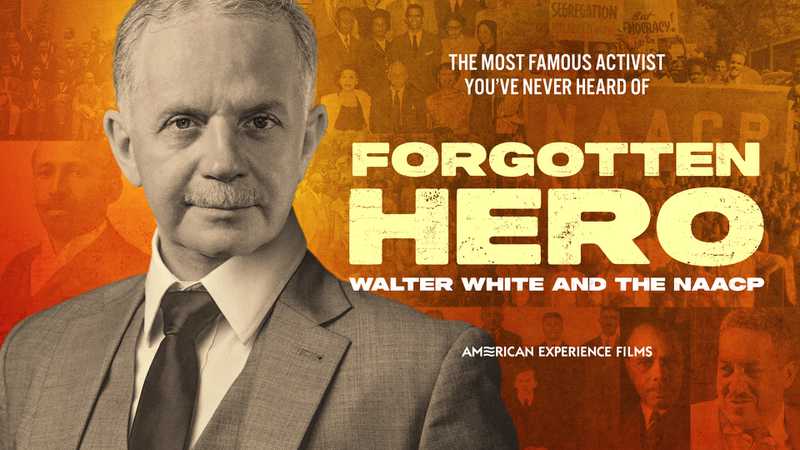
The story of civil rights hero Walter White — one of the most influential Black men in mid-century America and leader of the NAACP from 1929 to 1955, yet one of the least known figures in civil rights history.
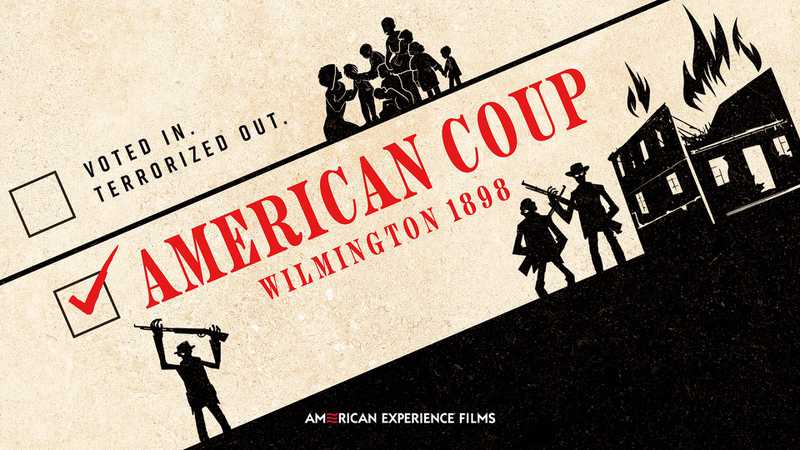
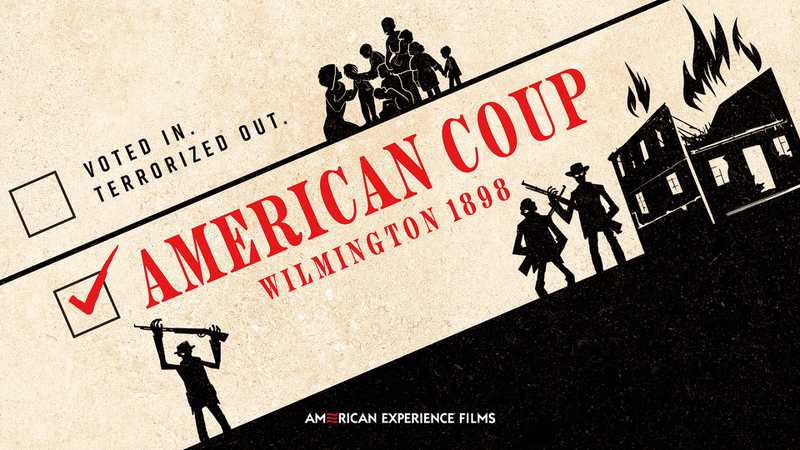
The little-known story of a deadly 1898 race massacre and coup d’état in Wilmington, North Carolina, when white supremacists overthrew the multi-racial government of state’s largest city through a campaign of violence and intimidation.
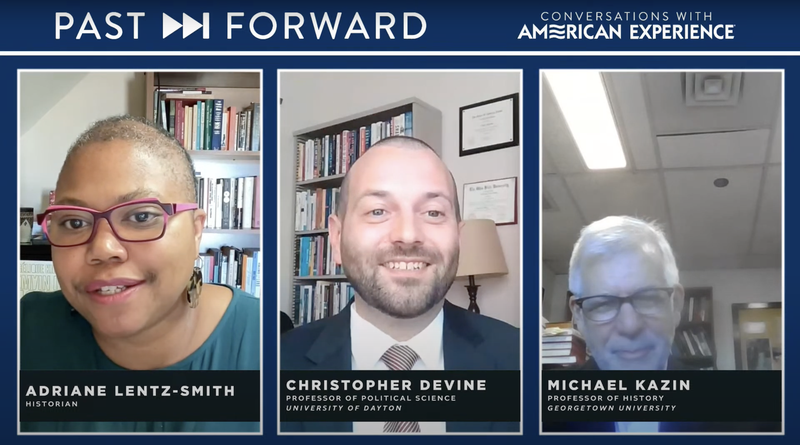
Historian Michael Kazin, political scientist Christopher Devine and historian Adriane Lentz-Smith explore how the choice of a vice presidential candidate can shape a presidential campaign and a presidency itself.
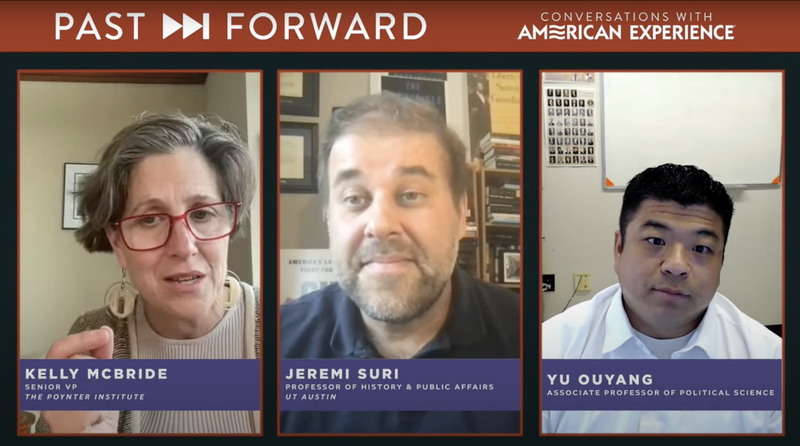
Political scientist Yu Ouyang and professor Jeremi Suri speak with Kelly McBride, Senior Vice President at The Poynter Institute for Media Studies, about how politicians and the press compete for public attention.
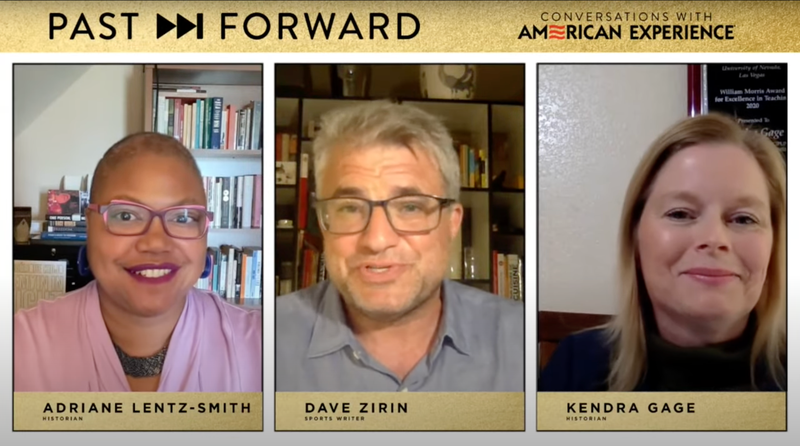
Sportswriter Dave Zirin and Assistant Professor Kendra Gage examine the political motives behind competing at and hosting the Olympics with historian Adriane Lentz-Smith.
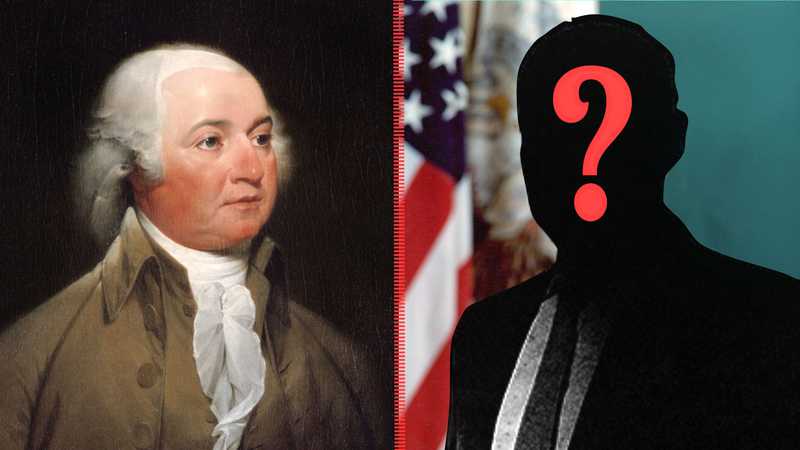
America’s first vice president, John Adams, called his job “the most insignificant office that ever the invention of man contrived.” But that would change dramatically over the next two and a half centuries. Discover how the vice presidency has evolved over time.